6 Simple Techniques For Transfer Slides To Digital
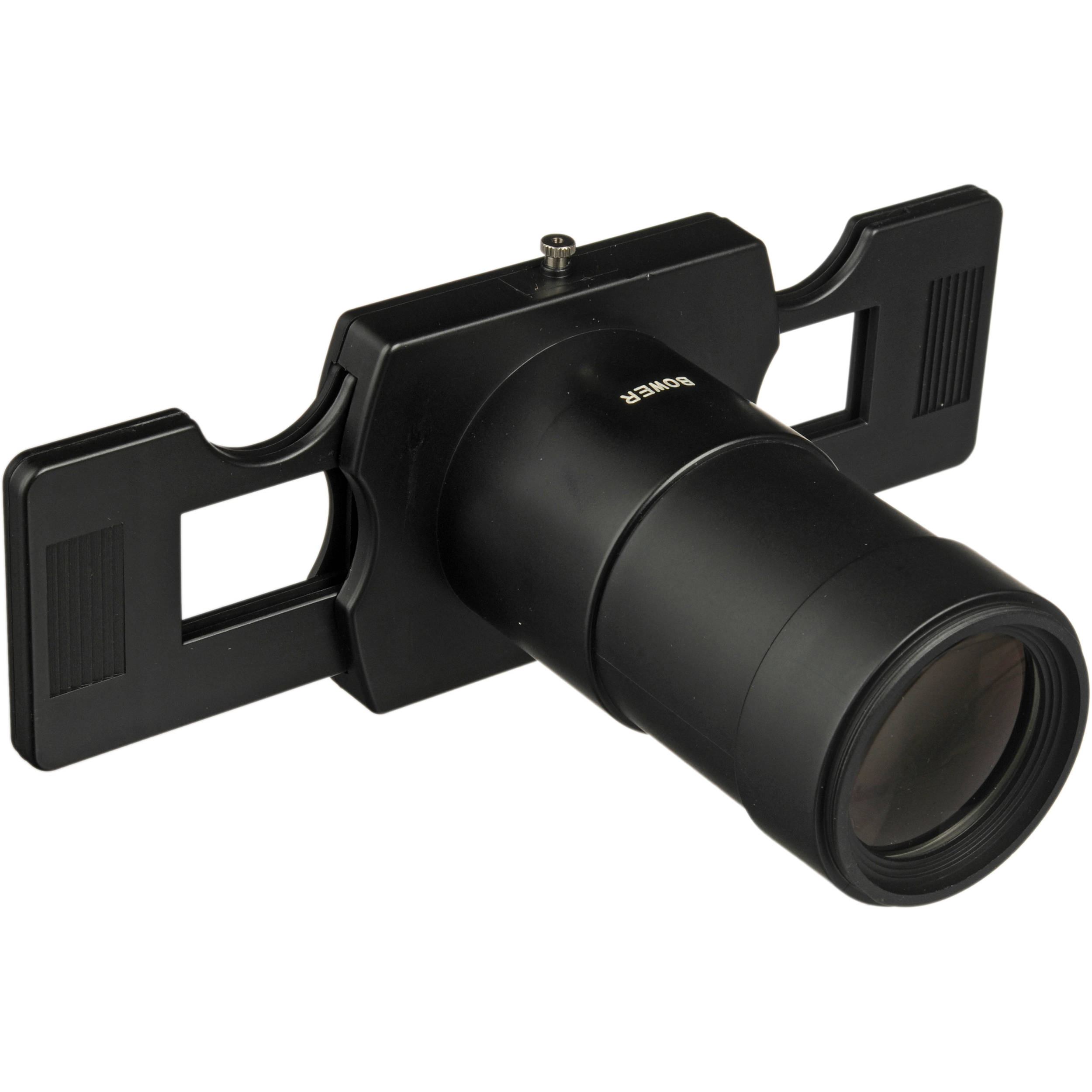
Or the ES-1 is a slide holder, which with the ideal lens, practically looks after all of this, really easily. There is advantage of having the slide physically connected to the lens - there is no video camera shake. The ES-1 does this. Otherwise, just using a brief wood board, with a 1/4"-20 UNC screw (routine stuff in any North American hardware shop) to hold the video camera at one end with its tripod socket, and holding the slide holder in front of the lens (one of them with a brief slot for adjustable sliding distance to set focus distance to the slide), ought to work well.
BR-5 step-down, 2. K 5 ring, 3. Click for info ES-1 This Nikon 60 mm f/2.8 D AF macro lens is about $500, and there are other comparable lenses. One individual commented that they leased a macro lens for $40 to do the task inexpensively. It does appear an excellent concept to get your slide mounting/lighting setup primarily worked out prior to you rent the lens.
There is now a newer 60 mm AF/S lens, and a Nikon 40 mm AF/S DX macro lens, both of which have much shorter working distance in front of the lens, and must work (on a DX electronic camera) without any additional spacers. The ES-1 attachés to a 52 mm filter thread, so it needs to fit any brand name of DSLR.
There are obviously other comparable thread adapters much less pricey. The ES-1 copy accessory is basically an empty tube or spacer. It is 2 telescoping cristianirwt097.yousher.com/8-go-to-resources-about-convert-old-kodak-slides-to-digital tubes actually, with a one inch length adjustment. It telescopes to hold the slide from in between 45 mm to 68 mm in front of the lens filter thread.
6 Simple Techniques For Transferring Slides To Digital
The macro lens does all of the optical work. DX cams: (APS-C, 1.5 x crop factor) The ES-1 is designed for a complete frame camera using the Nikon 55 mm f/2.8 macro lens. The issue is that for today's DX digital SLR with Check out the post right here the 1.5 x or 1.6 x lens crop factor, the 35 mm slide is half again larger than the DX sensor.
The 1.5 x crop sensor now requires a smaller sized image, more like a 0.67 reproduction size (which is 1:1.5), to fit the larger slide onto the smaller sensor. That needs a longer operating range in front of the lens. But the ES-1 does not adjust that far, which suggests that the cropped sensing unit body (1.5 digitize slides amazon x or 1.6 x crop element) needs an extra spacer in front of the lens so the ES-1 can be gotten used to hold the slide farther out in front, to appear as the smaller 0.67 size, so it will not be cropped excessively.
Instead, this is speaking of an easy tube about 20 mm long, with 52 mm threads on both ends, that goes in between the 60 mm lens and the ES-1, to extend the ES-1, to hold the slide a little further out, to attain more remote concentrate on the DX body.

So I utilized the K 5 tube shown (just the one K 5 threaded tube, and NOT the remainder of the extension set), which works terrific with the ES-1 on DX with a 60 mm D lens. The K 5 tube is an easy aluminum tube, 20 mm long, with 52 mm filter threads at each end, and this usage places it between the lens and the ES-1.
Indicators on Digitalize Slides You Need To Know
The ES-1 telescopes nearly an inch (24 mm), however 60 mm on a DX body requires this much more (and the telescoping still enables change). Discovering that additional extension for a cropped sensor body is the issue. See more about the Various situations: Numerous Nikon users tell me that a Nikon 40 mm f/2.8 G DX macro lens works well with the ES-1 without extra extension or adapter ring (it is a DX lens).
My 60 mm Nikon AF Micro Nikkor f 2.8 D lens requires a 20 mm extra spacer (included in between lens and ES-1) to cover the http://query.nytimes.com/search/sitesearch/?action=click&contentCollection®ion=TopBar&WT.nav=searchWidget&module=SearchSubmit&pgtype=Homepage#/slides to digital full slide frame on the Nikon 1.5 x DX DSLR. KEEP IN MIND: Mine discussed here is the older 60 mm D lens. However the more recent 60 mm AF-S lens is said to have a much shorter working range in front of the lens at 1:1 (50 mm new lens vs 71 mm old lens).
An old Nikon 55 mm f/3.5 macro lens on the DX cam requires about 10 mm extension. These do 1:2, needing their own extension tube (behind the http://www.bbc.co.uk/search?q=slides to digital lens) to reach 1:1. But just 1:1.5 is required to do slide copies on DX, and rather, 10 mm extension (in front of lens) lowers the obvious slide size to offer that.
I have actually not seen this lens, but it is stated to have a 90 mm working range at 1:1, so this sounds comfortably ideal for slides at 1.6 x crop. A longer macro lens (like 105 mm) can of course copy slides, but utilizing the ES-1 with them appears less affordable (requires significant additional extension, but possible).
Slides To Digital Fundamentals Explained
See the Nikon ES-1 instruction sheet. Complete frame (FX) cameras: The Nikon ES-1 was created for convert slides to digital johannesburg full frame movie bodies to copy installed slides at 1:1 with a 55 mm macro lens. The ES-1 direction sheet likewise consists of the 60 mm f/2.8 D lens, specifying it offers 0.96 to 1.0 recreation with the BR-5 mounting ring on a full frame cam.
At right is using a full frame D 800 with 60 mm D lens using the ES-1 at its optimum extension (alone, with just the BR-5). It needs less extension for a closer enlarged cropped view, but this longer 60 mm lens can not focus closer than 1:1. This existing view seems really usable if you crop every one a little (which you most likely want to do anyway, for the most part).